
Breaking the Binary in Academia: A Systematic Review on the Barriers Facing Transgender Students in Higher Education
Luvkush  and Meenakshi Ingole *
1Department of Education, University of Delhi, Delhi India .
http://dx.doi.org//10.12944/CRJSSH.9.1.02
Education is widely recognized as a powerful tool for social transformation and empowerment in addressing contemporary challenges. However, despite expanded access to education for much of society, transgender students continue to struggle for equitable and inclusive educational opportunities. They face enduring obstacles that restrict their academic engagement and well-being. This systematic review specifically aims to identify and synthesize the major social, academic, institutional, and psychological challenges affecting the inclusion of transgender and gender-diverse students in higher education and to examine institutional practices and recommendations that may contribute to more inclusive educational environments. The Semantic Scholar, Google Scholar, Web of Science, and Scopus databases were utilized to conduct a thorough literature search for research published between January 2010 and May 2025. PRISMA principles were adhered to in the review. Relevant data were extracted and analyzed thematically after studies were screened according to predetermined inclusion criteria. Out of the 850 screened records, 27 studies met the requirements for inclusion. The results showed that multi-level dynamics shape inclusion. Transgender and gender-diverse students face prejudice, stigma, exclusion, harassment, and structural barriers at interpersonal and institutional levels, while institutions often demonstrate inadequate policy implementation, insufficient awareness, and weak enforcement of protective measures. The review further identified that effective inclusion requires gender-neutral facilities, inclusive curricula, staff training, comprehensive non-discrimination and housing policies, anti-bullying mechanisms, mentorship programs, support groups, and active institutional feedback systems. The findings indicate that inclusive institutional approaches significantly improve the academic and social experiences of transgender students. Achieving meaningful gender inclusion in higher education, therefore, requires sustained institutional commitment and a whole-institution approach.
Copy the following to cite this article:
Luvkush L. Ingole M. Breaking the Binary in Academia: A Systematic Review on the Barriers Facing Transgender Students in Higher Education. Current Research Journal of Social Sciences and Humanities. 2026 9(1).
DOI:http://dx.doi.org//10.12944/CRJSSH.9.1.02Copy the following to cite this URL:
Luvkush L. Ingole M. Breaking the Binary in Academia: A Systematic Review on the Barriers Facing Transgender Students in Higher Education. Current Research Journal of Social Sciences and Humanities. 2026 9(1). Available here: https://bit.ly/3Q5r7wS
Download article (pdf) Citation Manager Review / Publish History

Introduction
Students whose gender identification is different from the sex given to them at birth are sometimes referred to as "transgender." The word "trans" is also frequently used as an inclusive shorthand that includes transgender, non-binary, genderqueer, and other gender-diverse identities in modern academic and community discourse (Stryker, 2017; Valentine, 2007). The word "transgender" is utilized in this study mainly because it is still the most often used term in research related to education, psychology, law, and policy. Nonetheless, this analysis recognizes that gender variety goes beyond binary identities and includes non-binary and gender non-conforming people whose gender identities do not solely fall into male or female categories. Thus, unless otherwise noted, references to transgender students in this study also refer to transgender and gender non-conforming (TGNC) people (American Psychological Association, 2021; Richards et al., 2016).
People's experiences and navigation of educational contexts are greatly influenced by their gender identity. However, exclusion, stigma, prejudice, and a lack of institutional support are often features of the college experience for transgender students (Stachowiak & Gano, 2020; Goldberg et al., 2018). Despite a rise in legislative protections and public awareness of gender diversity in recent decades, academic institutions have not always benefited from these advancements in terms of genuine inclusiveness.
In the social, institutional, and personal domains, transgender students encounter a multitude of interrelated challenges. In places like Khyber Pakhtunkhwa, Pakistan, transgender persons experience severe social isolation and limited access to secondary and higher education due to stigma and misinterpretations of religious teachings (Mehmud et al., 2019). Similar to this, despite constitutional protections and progressive initiatives like the Kerala Transgender Policy (2015), many transgender students in India continue to face hostile and discriminatory educational environments, which frequently lead to dropout rates and mental health issues (Kamali et al., 2021; Raj, 2025). Educational institutions, which should be sites of empowerment and social mobility, frequently become places of alienation due to deeply rooted cisnormative views and rigid gender binaries (Catalano, 2015; Goldberg et al., 2018).
In Western contexts, such patterns are seen. TGNC kids in the US experience high levels of minority stress, misgendering, restricted access to appropriate facilities, and dangerous educational conditions, according to Budge et al. (2019) and Simon et al. (2023). Many transgender students alter their gender expression to avoid prejudice, and faculty behavior often has a big influence on whether or not their identities are accepted (Goldberg et al., 2018). These problems typically coexist and interact, increasing people's vulnerability and negatively affecting their academic engagement and psychological well-being.
Universities often operate under cisnormative and heteronormative institutional frameworks to promote structural exclusion. Gender-segregated facilities, binary-based registration procedures, and a lack of representation in the curriculum all contribute to marginalization, especially for non-binary and gender-diverse students. Institutional actions are occasionally fragmented or symbolic, lacking accountability and sustainable execution, despite the increasing presence of diversity offices and inclusion declarations (Stachowiak & Gano, 2020; Budge et al., 2019). The educational experiences of transgender students are influenced by broader institutional processes, which are reflected in these structural limitations.
These challenges highlight underlying structural dynamics that exist on several levels in higher education institutions. In addition to interpersonal interactions (e.g., peer harassment, faculty insensitivity), barriers also occur at the structural and regulatory levels (e.g., lack of inclusive housing, absence of comprehensive non-discrimination legislation, insufficient mental health resources) (Seelman, 2014; Huff et al., 2023; Siegel, 2019). Personal vulnerability and institutional inadequacy sometimes result in a cycle of exclusion that jeopardizes academic perseverance and well-being (Pascale & DeVita, 2022; Wolff et al., 2017). To address these dynamics, a multi-level strategy that simultaneously considers institutional culture, policy execution, and support systems is required (Johnson, 2012; Buthelezi & Brown, 2023).
Previous studies have examined aspects of transgender students' experiences, such as minority stress, campus culture, or mental health outcomes (Goldberg et al., 2018; Pascale & DeVita, 2022; Regan, 2023). However, a significant amount of this research is dispersed, localized, or concentrates on certain facets of experience (Smith et al., 2022; Cuadra, 2024). There is still a need for a comprehensive synthesis that carefully examines the range of problems and identifies effective inclusive tactics in several cultural situations. In particular, cross-cultural comparisons and institutional response patterns are poorly understood (Stachowiak & Gano, 2020; Buthelezi & Brown, 2023).
The primary social, institutional, intellectual, and psychological obstacles that transgender and gender nonconforming students encounter in higher education across many cultural settings are to be identified and summarized in this review. The analysis also looks at inclusive behaviors and institutional solutions that might help establish gender-affirmative learning environments. This study aims to increase knowledge about the experiences and obstacles faced by transgender students in higher education among academics, policymakers, and educational institutions by incorporating previous studies (Catalano, 2015; Seelman, 2014). Additionally, it seeks to promote the creation of all-encompassing, gender-affirmative techniques that promote more equitable and inclusive learning settings (Goldberg et al., 2018; Johnson, 2012; Paulk, 2024).
Materials and Methods
This investigation used a systematic integrative review approach in accordance with the Preferred Reporting Items for Systematic Reviews and Meta-Analyses (PRISMA) guidelines (Page et al., 2021). Between March and May of 2025, the literature search was carried out. The review procedure was created to guarantee repeatability, transparency, and methodological rigor. The difficulties experienced by transgender and gender-diverse students in higher education institutions were investigated, and institutional policies that promote inclusion were identified, using an integrative qualitative evidence synthesis technique.
Research Design
The current study used an integrative review design based on the framework put forward by Whittemore and Knafl (2005), which enables the incorporation of various research approaches and promotes a thorough comprehension of intricate social issues. Five steps comprised the review process: determining the research problem, searching the literature, evaluating the quality, analyzing the data, and presenting the results. In addition to identifying institutional policies that foster inclusion and support, the evaluation explicitly examined the social, institutional, academic, and psychological difficulties faced by transgender and gender-diverse students in higher education institutions.
Table 1: Summary of Selection Criteria
Criteria | Description |
Publication Type | Peer-reviewed journal articles |
Study Design | No restriction |
Language | English |
Time Period | January 2010 – May 2025 |
Context | Higher education institutions |
Population | Transgender and gender-diverse students |
Outcomes | Challenges, discrimination, inclusion, institutional support, recommendations |
Excluded Sources | Books, dissertations, editorials, policy briefs, conference papers |
Inclusion and Exclusion Criteria
Studies that (a) examined experiences related to discrimination, institutional barriers, mental health, academic challenges, or inclusive practices; (b) focused on transgender or gender-diverse students in higher education institutions; (c) were peer-reviewed journal articles; (d) were published in English between January 2010 and May 2025; and (e) were available in full text were included. The study design was unrestricted to collect a variety of methodological viewpoints. Excluded studies included novels, dissertations, editorials, conference abstracts, policy briefs, opinion pieces, non-English publications, studies performed outside of higher education settings, and studies that solely focused on non-transgender individuals.
Data Sources and Search Strategy
Four electronic databases—Scopus, Web of Science, Semantic Scholar, and Google Scholar—were used to do a thorough literature search between March and May of 2025. To achieve a comprehensive yet pertinent retrieval of research, the search technique integrated terms linked to gender with phrases connected to higher education and experience. Boolean operators like AND, OR, and NOT were used to combine keywords relating to gender diversity, higher education, institutional experiences, discrimination, mental health, and inclusion in order to narrow down the search. Combinations like these were part of the main search string:
(“transgender students” OR “trans students” OR “gender-diverse students” OR “non-binary students”) AND (“higher education” OR university OR college) AND (challenges OR discrimination OR inclusion OR “mental health” OR “campus climate”). The search was restricted to peer-reviewed English-language articles published between January 2010 and May 2025. Additional manual searching of reference lists and related articles was conducted to improve comprehensiveness and identify potentially relevant studies not retrieved through database searches.
Table 2: Database Search Strategy and Study Identification
Database | Records Identified |
Scopus | 210 |
Web of Science | 175 |
Semantic Scholar | 240 |
Google Scholar | 225 |
Total | 850 |
Study Selection
To guarantee methodological openness and systematic screening, the research selection procedure adhered to PRISMA 2020 standards (Page et al., 2021). Initially, 850 records were found by searching databases, including Google Scholar (n = 225), Web of Science (n = 175), Semantic Scholar (n = 240), and Scopus (n = 210). Duplicate entries (n = 140), non-English records (n = 45), and conference abstracts/editorials (n = 19) were eliminated prior to screening. 646 records were left for title and abstract screening after this procedure.
340 records were eliminated during the screening phase for the following reasons: irrelevant subject (n = 220), non-higher education setting (n = 82), and non-transgender population focus (n = 38). 306 reports were then requested to be retrieved. Twenty-one of these full-text publications were not available for retrieval.
The eligibility of 285 full-text publications was evaluated. Studies that did not adequately concentrate on the experiences of transgender students (n = 96), did not address higher education settings (n = 74), did not match the inclusion criteria (n = 51), or were opinion pieces, policy briefs, or book chapters (n = 37) were eliminated after full-text evaluation. Following the final eligibility evaluation, 27 studies were included in the final synthesis since they satisfied all inclusion requirements. The PRISMA flow diagram shows the whole identification, screening, eligibility evaluation, and inclusion process.
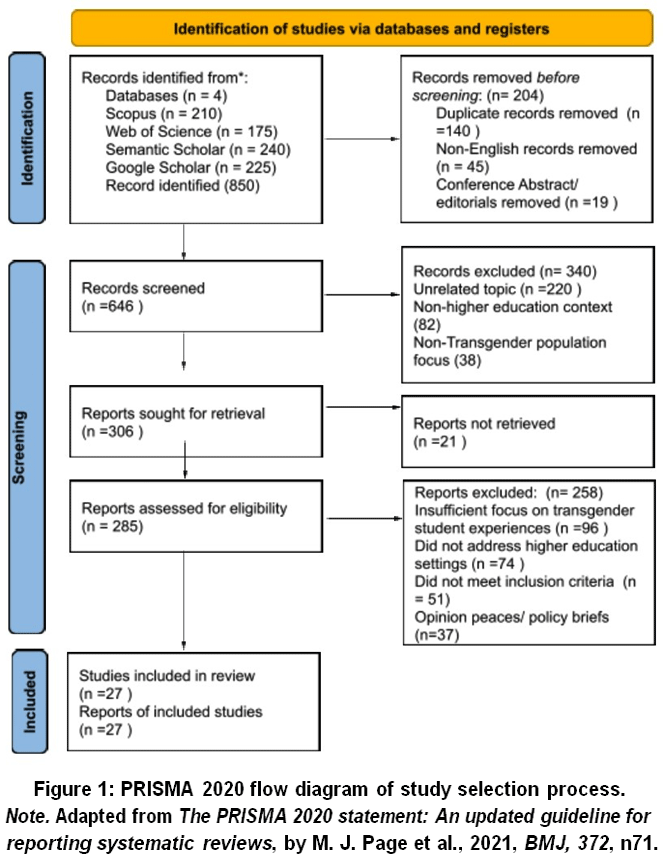 | Figure 1: PRISMA 2020 flow diagram of study selection process.
|
Note. Adapted from The PRISMA 2020 statement: An updated guideline for reporting systematic reviews, by M. J. Page et al., 2021, BMJ, 372, n71 (https://doi.org/10.1136/bmj.n71).
Data Extraction and Analysis
Data extraction was done utilizing a pre-made data extraction form in order to maintain consistency and reduce bias. To ensure uniformity between trials, both authors carried out the extraction and theme coding process. The retrieved data included the following: authors, publication year, research design, study objectives, participant characteristics, institutional environment, impediments encountered, and reported inclusive practices or recommendations. A theme analysis method was used to synthesise the findings. Each selected study was meticulously reviewed and manually coded. Using an inductive analytical approach, the initial codes were grouped into broader categories that reflected similar experiences or institutional tendencies. These categories were then expanded into major topics, including institutional barriers, social exclusion and discrimination, infrastructure and education challenges, mental health problems, policy implementation gaps, and institutional support systems. The final synthesis was narratively presented by comparing the similarities and contrasts among the several research studies.
Quality Assessment
The included studies' methodological quality was assessed using the Critical Appraisal Skills Programme (CASP) checklist to ascertain their applicability, rigor, and reliability. Both reviewers separately completed the quality assessment in order to reduce prejudice and increase reliability. Any disputes in the evaluation were resolved by discussion and consensus. Only studies that fulfilled acceptable methodological requirements were retained for the final synthesis to ensure the accuracy of the findings.
Strength of Evidence
The strength of the evidence was determined by considering methodological quality, consistency of findings, diversity of situations, and the number of supporting studies within each subject. Themes supported by several high-quality studies carried out in different institutional and geographic settings were considered to have stronger evidence, whereas themes with minimal or context-specific support were categorized as having moderate or limited strength. This evaluation method enhanced the review's interpretative validity and supported reasonable findings regarding inclusive policies for transgender students in higher education.
Results
The final synthesis contained 27 papers that satisfied the inclusion criteria. The United States, United Kingdom, India, South Africa, Pakistan, and the Philippines were among the several geographical settings covered in the chosen studies. The research examined the experiences of transgender and gender-diverse students in higher education using qualitative, quantitative, mixed-methods, policy analysis, and literature review methodologies.
The thematic categories presented in this review were developed inductively through thematic analysis of the included studies. Recurring ideas, experiences, and institutional problems found across the investigations were categorized into more general theme groups after inductive coding. Four main topics emerged from the synthesis: (1) obstacles and difficulties transgender students encounter in higher education; (2) forms of exclusion and discrimination; (3) institutional gaps and new issues; and (4) the state of institutional support systems today.
Table 3: Summary of Included Studies
Author(s) & Year | Country | Methodology | Sample | Major findings |
Regan (2023) | United Kingdom | Mixed methods | 166 survey participants + 7 interviews | Hostile campus climate, exclusion, institutional reform needs |
Johnson & Subasic (2011) | United States | Qualitative policy review | No direct participants | Institutional barriers and inclusive practices |
Buthelezi (2022) | South Africa | Qualitative | 8 transgender students | Social exclusion and resilience strategies |
Conron (2022) | United States | Cross-sectional survey | 1,072 adults | Mental health disparities and belonging concerns |
Wolff (2017) | United States | IPA interviews | 7 TGNC students | Religious exclusion and identity conflict |
Seelman (2014) | United States | Qualitative | 30 participants | Campus inclusivity recommendations |
Beemyn (2012) | United States | Narrative review | Secondary sources | Institutional gaps and exclusion |
Schneider (2010) | United States | Case study | Secondary sources | Institutional responses to transgender inclusion |
Kumar (2016) | India | Qualitative | Trans students and faculty | Educational exclusion and mainstreaming challenges |
Goldberg (2018) | United States | Mixed methods | 500+ transgender students | Misgendering, harassment, policy barriers |
Siegel (2019) | Not specified | Literature review | Secondary literature | Institutional discrimination and policy concerns |
Goldberg et al. (2018 | United States | Mixed methods | 507 TGNC students | Inclusive policies and belonging |
Catalano (2015) | United States | Qualitative | 25 trans men | Campus inclusion and liberatory consciousness |
Mehmud et al. (2019) | Pakistan | Survey-based qualitative | 20 participants | Social segregation and educational inaccessibility |
Pascale & DeVita (2024) | National dataset | Quantitative | 1,100 students | Mental health disparities |
Raj (2025) | India | Mixed methods | 30 transgender individuals | Social stigma and institutional shortcomings |
Boskey & Ganor (2020) | United States | Document analysis | 33 women’s college policies | Trans-inclusive admissions policies |
Cuadra (2024) | Philippines | Phenomenological | 7 transgender students | Discrimination and coping mechanisms |
Smith et al. (2022) | United Kingdom | Rapid evidence assessment | 5 core studies | Experiences of TNB students |
Paulk (2024) | Not specified | Improvement science | Faculty participants | Inclusive classroom development |
Huff & Edwards (2025) | United States | Quantitative survey | 4,328 students | Gender-neutral restroom concerns |
Stachowiak & Gano (2020) | United States | Counternarrative study | Narrative accounts | Institutional oppression |
Moore et al. (2025) | United States | Literature review/legal analysis | Secondary literature | Misgendering and deadnaming |
Crane et al. (2022) | United States | Cross-sectional survey | 152 Transgender students | Microaggressions and retention |
Woods & Smith (2023) | United States | Campus change project | TGNB students | Misgendering and deadnaming experiences |
Kamali (2021) | India | Qualitative review | Secondary data | Educational challenges and exclusion |
Sithole (2015) | South Africa | Qualitative | 12 Transgender students | Harassment and unsafe campus climate |
Thematic Findings
Theme One: Challenges and Barriers Faced by Transgender Students in Higher Education
One of the issues that was most frequently mentioned in all of the included studies was difficulties and obstacles. Of the 27 included studies, 21 indicated hostile academic settings, discrimination, exclusion, and institutional hurdles (Regan, 2023; Goldberg, 2018; Kumar, 2016; Wolff, 2017; Buthelezi, 2023; Cuadra, 2024; Sithole, 2015).
Social Challenges
Eighteen of the included studies reported social discrimination, stigma, harassment, and exclusion. In higher education, transgender students often faced social isolation, microaggressions, peer rejection, and verbal abuse (Regan, 2023; Goldberg, 2018; Wolff, 2017). Severe forms of discrimination, such as social rejection, threats of violence, and exclusion from family and community support networks, were also emphasized by studies carried out in South Africa and Pakistan (Sithole, 2015; Mehmud et al., 2019).
Additionally, a number of studies showed that transgender students were marginalized even in LGBTQ+ settings, which exacerbated identity-related suffering and reduced social belonging (Regan, 2023; Buthelezi, 2023). Theological rejection and identity invalidation exacerbated feelings of psychological pain and alienation in faith-based institutions (Wolff, 2017).
Educational Challenges
Of the 27 included studies, 17 indicated educational difficulties. Curriculum exclusion, classroom prejudice, faculty insensitivity, absenteeism, academic disengagement, and elevated dropout risk were among the often-reported issues (Goldberg, 2018; Kumar, 2016; Regan, 2023; Sithole, 2015).
Numerous studies showed that transgender representation was lacking in academic curricula, which were still mostly cisnormative, especially in the social science and health fields (Regan, 2023). Furthermore, transgender students often stated that teachers disregarded or misinterpreted their gender identities, which had a detrimental effect on their involvement in class and academic engagement (Kumar, 2016; Wolff, 2017).
According to Goldberg (2018), 16% of transgender students thought about quitting school because of hostile institutional environments, and about 24% of them reported experiencing harassment in educational settings.
Institutional Challenges
Of the 27 included studies, 20 showed evidence of institutional impediments. According to several studies (Johnson, 2012; Goldberg, 2018; Conron, 2022; Regan, 2023), exclusionary institutional practices, a lack of gender-inclusive facilities, and cisnormative administrative structures are the main obstacles to inclusion.
Many institutions lacked gender-neutral facilities, inclusive housing alternatives, flexible name and pronoun regulations, and accessible administrative processes for gender identity recognition, according to the evaluated research (Conron, 2022; Goldberg, 2018). Binary institutional structures that refused to acknowledge a variety of gender identities had a particularly negative impact on non-binary pupils (Regan, 2023; Siegel, 2019).
Institutional reactions were frequently reactive rather than proactive, and policy changes frequently didn't happen until after instances of prejudice or student agitation (Schneider, 2010; Johnson, 2012).
Theme Two: Forms of Discrimination and Exclusion
Twenty of the included studies reported instances of prejudice and exclusion. The results showed that prejudice occurred at the administrative, interpersonal, institutional, and classroom levels (Buthelezi, 2023; Kumar, 2016; Conron, 2022; Sithole, 2015; Moore et al., 2025).
Systemic Exclusion and Cisnormativity
Fifteen studies found cisnormative institutional systems and systemic exclusion. Higher education institutions still use binary gender systems that do not take into account transgender and non-binary identities, according to several studies (Buthelezi, 2023; Kumar, 2016; Siegel, 2019). Gender binary thinking and institutional invisibility were frequently strengthened by official documentation processes, housing regulations, and administrative systems (Beemyn, 2012; Goldberg et al., 2018).
Lack of Inclusive Facilities and Resources
Fourteen studies revealed limited access to gender-inclusive facilities and resources. Lack of LGBTQ-informed healthcare, inclusive housing, gender-neutral toilets, and affirming university services were among the main issues (Conron, 2022; Huff & Edwards, 2025; Cuadra, 2024).
According to Conron (2022), just 22.8% of transgender students reported having access to LGBTQ-informed healthcare services, and only 39.4% reported having access to gender-neutral toilets.
Social Discrimination and Harassment
Nineteen studies revealed experiences of harassment and social prejudice. Verbal abuse, peer exclusion, classroom microaggressions, mocking, and unfriendly interactions on campus were commonly reported by transgender students (Regan, 2023; Goldberg, 2018; Sithole, 2015).
According to Conron (2022), 38.8% of transgender students reported being harassed or assaulted, and 32.1% reported receiving unjust treatment from staff or professors.
Impact on Mental Health and Sense of Belonging
Eighteen investigations found weaker belongingness and mental health issues. Exclusionary campus environments and institutional discrimination have been often linked to anxiety, despair, hopelessness, loneliness, emotional discomfort, and suicide thoughts (Pascale & DeVita, 2024; Conron, 2022; Buthelezi, 2023).
According to institutional statistics, 42.5% of transgender students reported feeling less like they belonged because of their LGBTQ identity, and 55.3% of transgender students reported having mental health issues while in college (Conron, 2022).
Repeated Misgendering and Deadnaming
Ten of the included papers addressed misgendering and deadnaming as significant instances of interpersonal and symbolic prejudice. Academic disengagement, decreased classroom involvement, diminished institutional trust, and emotional discomfort were all linked to these behaviors (Moore et al., 2025; Woods & Smith, 2023; Pascale & DeVita, 2024).
Theme Three: Institutional Gaps and Emerging Concerns
Despite growing awareness of transgender student difficulties, the evaluated research collectively showed that institutional inclusion initiatives are still weak and dispersed. 17 of the included studies found institutional gaps and new issues (Conron, 2022; Pascale & DeVita, 2024; Huff & Edwards, 2025; Kumar, 2016).
Limited Transgender-Inclusive Resources
Thirteen studies revealed limited access to affirming institutional resources and transgender-inclusive services. According to Conron (2022) and Huff & Edwards (2025), transgender students often lacked access to inclusive healthcare, counseling assistance, and university resources catered to their needs.
Mental Health Disparities
Fifteen studies found inequities in mental health. Compared to their cisgender classmates, transgender students regularly reported greater levels of anxiety, sadness, loneliness, self-harm, suicidal thoughts, and emotional distress (Pascale & DeVita, 2024; Conron, 2022).
Fear and Unsafety Affecting Well-being
Twelve researchers found feelings of uncertainty, dread, and lack of safety. Due to harassment, discrimination, and exclusive campus cultures, transgender students often felt uncomfortable in higher education settings (Conron, 2022; Buthelezi, 2023; Kumar, 2016).
Association Between Harassment-Related Fear and Psychological Challenges
Eight researchers found a significant correlation between psychological discomfort and anxiety associated with harassment. Transgender students' anxiety and depression have been linked to institutional infrastructure deficiencies, including the absence of gender-inclusive toilets and affirming campus amenities (Huff & Edwards, 2025; Conron, 2022).
Discrimination as a Barrier to Academic Success
Fourteen researchers found that discrimination was a hindrance to academic performance. Academic engagement, retention, and educational success were all adversely impacted by experiences of harassment, unjust treatment, discomfort in the classroom, and institutional exclusion (Conron, 2022; Crane et al., 2022; Goldberg, 2018).
Theme Four: Current Status of Institutional Support
In higher education contexts, institutional support networks for transgender and gender nonconforming students have been characterized as scarce, uneven, and frequently inadequate. In sixteen of the included research, support-related issues surfaced (Seelman, 2014; Johnson, 2012; Paulk, 2024).
Counseling and Mental Health Support
Thirteen studies found inadequate mental health and counseling services. Gender-sensitive policies, qualified personnel, and affirming support systems for transgender students were often absent from campus counseling systems (Sithole, 2015; Conron, 2022; Pascale & DeVita, 2024).
Housing and Residential Support
Eleven studies documented housing-related exclusion and the absence of gender-inclusive housing regulations. Peer rejection, fear of harassment, and challenges finding secure living settings were common experiences for transgender students (Sithole, 2015; Goldberg et al., 2018; Conron, 2022).
Institutional Policies and Administrative Support
Fifteen studies found administrative and policy-related obstacles. Transgender and non-binary identities were often not sufficiently acknowledged by institutional structures, especially when it came to name changes, gender markers, and official documentation processes (Johnson, 2012; Boskey & Ganor, 2020; Regan, 2023).
Faculty Awareness and Inclusive Classroom Practices
Twelve studies addressed inclusive classroom methods and faculty awareness. While affirming faculty practices enhanced educational experiences, misgendering, deadnaming, and classroom microaggressions had a detrimental impact on students' involvement and sense of belonging (Paulk, 2024; Moore et al., 2025; Seelman, 2014).
Discussion
In addition to examining institutional responses and inclusive practices in various educational environments, this systematic study looked at the main social, intellectual, psychological, and institutional obstacles faced by transgender and gender-diverse students in higher education. The results show that, despite rising public awareness and institutional promises to diversity and inclusion, transgender students still face multifaceted exclusion in higher education. In all of the analyzed cases, exclusion was ingrained in institutional structures, administrative procedures, campus cultures, and classroom settings rather than being restricted to isolated interpersonal encounters. The analysis also shows that institutional support systems frequently continue to be symbolic, inconsistent, or fractured, which limits their ability to effectively address the lived reality of transgender students.
Relationship of Findings to Existing Literature
Misalignment Between Institutional Structures and Student Needs
The review's conclusions show that institutional frameworks and the demands of transgender and gender-diverse students are consistently out of sync. Despite the official endorsement of diversity and inclusion programs by many higher education institutions, the reviewed research indicates that actual implementation is still unequal and restricted. Administrative practices, campus infrastructure, classroom interactions, and student support systems are all still shaped by institutional cisnormativity, which frequently reinforces exclusionary learning environments. These results align with previous studies that found structural exclusion, institutional transphobia, and a dearth of gender-inclusive support systems in higher education environments (Goldberg, 2018; Regan, 2023; Siegel, 2019; Wolff, 2017).
The findings also show that repeated instances of misgendering, discrimination, harassment, and microaggressions have a detrimental impact on academic engagement and psychological health. According to earlier research (Conron, 2022; Pascale & DeVita, 2024; Sithole, 2015), hostile campus environments have been linked to anxiety, sadness, decreased classroom involvement, and higher dropout intentions among transgender students. These conclusions are supported by the current analysis, which shows that institutional impediments and social exclusion commonly work in tandem to increase vulnerability and erode students' feelings of belonging in higher education institutions.
The assessment also emphasizes how non-binary and gender-diverse students still lack inclusive institutional mechanisms. According to a number of research covered in this review, binary gender categories are still widely used in official institutional procedures, housing systems, digital platforms, and administrative forms (Goldberg et al., 2018; Regan, 2023; Siegel, 2019). These results imply that symbolic acknowledgment, rather than structural change, is often the focus of institutional inclusion initiatives.
Important contextual gaps in the body of current research are also identified by the review. Few studies concentrated on rural institutions or low- and middle-income environments, whereas the majority of included studies were carried out in high-income nations, especially the United States and the United Kingdom. Studies from South Africa, India, and Pakistan have shown that transgender students in these environments frequently face increased stigma because of larger social, religious, and economic issues (Kumar, 2016; Mehmud et al., 2019; Buthelezi, 2023). However, there is also a dearth of comparative research in the field that looks at regional institutional cultures, distinctions between rural and urban areas, and discrepancies in how policies are implemented.
Inclusion as a Structural and Cultural Process
The review's conclusions also imply that inclusion should be viewed as a continuous structural and cultural process influenced by organizational ideals, social interactions, and institutional practices rather than just the existence of institutional regulations. Everyday institutional processes, including classroom interactions, administrative procedures, inaccessible facilities, and a lack of affirming mental health assistance, were often the source of exclusion in the included research. These results are consistent with earlier studies that highlight how institutional practices that normalize cisnormativity, in addition to formal discrimination, sustain transgender exclusion in higher education (Catalano, 2015; Stachowiak & Gano, 2020).
The analysis also shows that institutional inclusion initiatives are less successful when there are inconsistent implementation methods. According to a number of studies (Johnson, 2012; Seelman, 2014), inclusive policies frequently existed symbolically without significant institutional backing, accountability mechanisms, or enforcement. As a result, even in the presence of official diversity declarations or inclusion policies, transgender students often continued to face discrimination.
Additionally, the results show that exclusionary institutional settings have cumulative negative effects on academic performance and psychological well-being. Numerous studies have linked experiences of discrimination and social isolation to decreased classroom involvement, academic disengagement, weaker institutional trust, and mental health vulnerability (Conron, 2022; Pascale & DeVita, 2024; Woods & Smith, 2023). This implies that rather than relying just on discrete legislative actions, inclusion in higher education must be viewed as an ongoing institutional process requiring structural change, cultural transformation, and ongoing accountability systems.
Implications for Policy and Practice
The review's conclusions show that institutional structures, campus cultures, and policy implementation procedures are closely related to the difficulties faced by transgender and gender-diverse students. Therefore, robust institutional strategies that go beyond symbolic diversity initiatives are necessary for real inclusion.
Explicit nondiscrimination rules that acknowledge gender identity and gender expression are crucial, as the examined research repeatedly shows. Similar emphasis has been placed in earlier research on how institutional regulations without enforcement mechanisms often fail to shield transgender students from exclusion and discrimination (Goldberg et al., 2018; Seelman, 2014). According to the results, organizations should set up accountability frameworks, clear grievance procedures, and easily accessible administrative procedures for name and gender marker changes. Such actions might enhance transgender students' involvement, dignity, and institutional acknowledgment.
The assessment also emphasizes how crucial inclusive campus infrastructure is. Increased psychological discomfort and a diminished sense of belonging have been frequently linked to limited access to gender-neutral toilets, inclusive housing arrangements, and affirming campus environments (Conron, 2022; Huff & Edwards, 2025). These results corroborate previous studies that contend that transgender students' educational experiences and feelings of safety are greatly influenced by the physical campus environs (Johnson, 2012; Regan, 2023).
The results also highlight the significance of institutional training programs and faculty awareness. Misgendering, faculty insensitivity, and classroom microaggressions have all been found to be significant obstacles to academic participation (Moore et al., 2025; Paulk, 2024). According to earlier studies, inclusive teaching methods and gender-sensitive training programs can enhance student well-being, classroom engagement, and institutional trust (Seelman, 2014; Catalano, 2015). As a result, the report suggests that initiatives to promote inclusiveness should incorporate both larger institutional cultural transformation and policy improvements.
The results also indicate that transgender students gain from inclusive curriculum representation, peer support networks, readily available mental health treatments, and visible institutional endorsement. Affirming institutional behaviors may increase students' feeling of belonging, enhance retention, and lessen psychological distress, according to existing research (Goldberg, 2018; Conron, 2022). Institutional inclusion should therefore be viewed as a long-term organizational duty that calls for ongoing policy implementation, monitoring, and assessment.
Strengths of the Review
This review's integration of national and international research on transgender inclusion in higher education is one of its main advantages. The review offers a more comprehensive picture of the structural, intellectual, psychological, and institutional obstacles faced by transgender students by combining data from various disciplinary, institutional, and geographic settings. The review's comparative breadth is strengthened, and a more thorough understanding of transgender students' educational experiences across institutional environments is supported by the inclusion of papers from diverse cultural contexts.
The application of a systematic integrative review methodology based on PRISMA principles, which improved methodological transparency and rigor throughout the review process, is another significant strength (Page et al., 2021). A thorough analysis of the intricate social and institutional issues affecting transgender students in higher education was made possible by the integrative review design, which also enabled the incorporation and synthesis of qualitative, quantitative, mixed-methods, and policy-oriented studies (Whittemore &Knafl, 2005).
The review also identified institutional impediments, inclusive behaviors, and recurrent patterns across the included papers, thanks to the thematic synthesis technique. The review adds to the body of knowledge on transgender inclusion in higher education and identifies critical issues that need institutional and policy-level attention by integrating data on discrimination, mental health, institutional assistance, and policy implementation.
Conclusion
This integrative review examined the major barriers and challenges experienced by transgender and gender nonconforming students in higher education across diverse institutional and cultural contexts. The findings reveal that transgender students continue to encounter multiple and interconnected forms of social, academic, and institutional marginalization. Recurring challenges include discrimination, harassment, curriculum exclusion, misgendering, administrative invisibility, limited access to gender-inclusive facilities, mental health vulnerabilities, and inadequate institutional support systems.
The review further demonstrates that these challenges are not merely individual experiences but are deeply embedded within institutional structures, policies, and practices that continue to operate through binary and exclusionary frameworks. As a result, many higher education institutions remain insufficiently equipped to recognize, accommodate, and support gender diversity. The findings indicate that experiences of exclusion can significantly affect students’ sense of belonging, academic engagement, psychological well-being, and educational persistence.
At the same time, the review identifies several institutional measures that can contribute to the development of more inclusive and gender-affirming educational environments. These include the provision of gender-inclusive facilities, accessible mental health services, faculty sensitization initiatives, inclusive classroom practices, transparent procedures for name and gender marker changes, comprehensive anti-discrimination policies, and effective institutional accountability mechanisms. The evidence synthesized in this review suggests that meaningful inclusion requires sustained structural, cultural, and policy-level transformation rather than symbolic commitments alone.
Overall, this review contributes to the growing scholarship on transgender inclusion in higher education by bringing together evidence from multiple contexts and highlighting both persistent barriers and potential pathways toward institutional inclusion. The findings underscore the urgent need for higher education institutions, policymakers, and educational stakeholders to adopt comprehensive, sustainable, and equity-oriented approaches that promote dignity, safety, belonging, and educational success for transgender and gender-diverse students.
Acknowledgement
The author thanks colleagues and mentors who offered academic advice and helpful criticism throughout the research and writing process, as well as scholars and researchers whose studies served as the foundation for this review. The author used ChatGPT, a publicly available tool created by OpenAI (https://chat.openai.com), to polish the language while preparing this work. This included fixing grammatical errors and enhancing clarity and conciseness. The author took full responsibility for the final draft of the manuscript after utilizing this tool, carefully reviewing and editing the content as needed.
Funding Sources
The author(s) received no financial support for the research, authorship, and/or publication of this article.
Conflict of Interest
The author(s) do not have any conflict of interest.
Data Availability Statement
This statement does not apply to this article
Ethics Statement
This research did not involve human participants, animal subjects, or any material that requires ethical approval.
Informed Consent Statement
This study did not involve human participants, and therefore, informed consent was not required.
Clinical Trial Registration
This research does not involve any clinical trials.
Permission to reproduce material from other sources
Not Applicable
Author Contributions
Luvkush: Conceptualization, Methodology, Writing – Original Draft.
Meenakshi Ingole: Visualization, Supervision, Writing – Review & Editing.
References
- American Psychological Association. (2015). Guidelines for psychological practice with transgender and gender nonconforming people. American Psychologist, 70(9), 832–864.https://doi.org/10.1037/a0039906
CrossRef - Beemyn, G. (2012). The experiences and needs of transgender community college students. Community College Journal of Research and Practice, 36(7), 504–510. https://doi.org/10.1080/10668926.2012.664089
CrossRef - Boskey, E. R., & Ganor, O. (2020). Women’s college admissions and retention policies pertaining to transgender students: A comprehensive analysis. Journal of LGBT Youth, 17, 453–471. https://doi.org/10.1080/19361653.2019.1678493
CrossRef - Buthelezi, J., & Brown, A. (2023). In(ex)clusion of transgender students in South African higher education institutions. Transformation in Higher Education, 8. https://doi.org/10.4102/the.v8i0.278
CrossRef - Catalano, D. C. J. (2015). Beyond virtual equality: Liberatory consciousness as a path to achieve trans* inclusion in higher education. Equity & Excellence in Education, 48(3), 418–435. https://doi.org/10.1080/10665684.2015.1056763
CrossRef - Conron, K. J., O’Neill, K. K., & Vasquez, L. A. (2022). Educational experiences of transgender people. UCLA School of Law: The Williams Institute. https://escholarship.org/uc/item/58q1r9sv
- Crane, P. R., Swaringen, K. S., Rivas-Koehl, M. M., Foster, A. M., Le, T. H., Weiser, D. A., & Talley, A. E. (2022). Come out, get out: Relations among sexual minority identification, microaggressions, and retention in higher education. Journal of Interpersonal Violence, 37(9–10), NP8237–NP8248. https://doi.org/10.1177/0886260520967126
CrossRef - Critical Appraisal Skills Programme UK. (n.d.). CASP checklists. https://casp-uk.net/casp-tools-checklists/
- Cuadra, J. (2024). In their shoes: Transgender students’ lived experiences of challenges and discrimination in higher education settings. https://doi.org/10.22541/au.172451569.92437277/v1
CrossRef - Goldberg, A. E. (2018). Transgender students in higher education. https://www.semanticscholar.org/paper/4703a1065e 14f9f356c64ee7c75870b3cd4fb705
- Goldberg, A. E., Beemyn, G., & Smith, J. Z. (2018). What is needed, what is valued: Trans students’ perspectives on trans-inclusive policies and practices in higher education. Journal of Educational and Psychological Consultation, 29(1), 27–67.https://doi.org/10.1080/10474412.2018.1480376
CrossRef - Huff, M., Edwards, K. M., Mauer, V. A., Littleton, H., Lim, S., & Sall, K. E. (2023). Gender-neutral bathrooms on campus: A multicampus study of cisgender, transgender, and gender diverse college students. Journal of American College Health, 73(3), 1178–1182. https://doi.org/10.1080/07448481.2023.2239358
CrossRef - Johnson, E. (2012). Promising practices for inclusion of gender identity/gender expression in higher education.
- Kamali, M. (2021). Educational challenges of transgender. Turkish Journal of Computer and Mathematics Education, 12(10). https://doi.org/10.17762/turcomat.v12i10.5574
CrossRef - Kumar, R. (2016). A study on challenges and opportunities of mainstreaming transgender students in higher education institutions in India.
- Mehmud, T., Abdullah, & Idris, M. (2019). The transgenders’ segregation in Khyber Pakhtunkhwa (Pakistan) with special focus on their inaccessibility to higher secondary/higher education. Sir Syed Journal of Education & Social Research, 2(2), 100–109. https://doi.org/10.36902/sjesr-vol2-iss2-2019(100-109)
CrossRef - Moore, B. C., Osborn, M. E., & DeJong, C. (2025). Consequences and considerations of “free speech” in higher education: Validating trans and nonbinary identities in the classroom setting. Journal of Criminal Justice Education, 36, 46–61. https://doi.org/10.1080/10511253.2024.2378453
CrossRef - Page, M. J., McKenzie, J. E., Bossuyt, P. M., Boutron, I., Hoffmann, T. C., Mulrow, C. D., et al. (2021). The PRISMA 2020 statement: An updated guideline for reporting systematic reviews. BMJ, 372, n71. https://doi.org/10.1136/bmj.n71
CrossRef - Pascale, A., & DeVita, J. (2024). Transgender college students’ mental health: Comparing transgender students to their cisgender peers. Journal of American College Health, 72, 135–141. https://doi.org/10.1080/07448481.2021.2024212
CrossRef - Paulk, D. S. (2024). Supporting transgender students in higher education classrooms. Western Carolina University.
- Regan, L. (2023). A mixed methods investigation into the experiences of transgender students in higher education in the UK. Bulletin of Applied Transgender Studies, 2(3–4), 195–222. https://doi.org/10.57814/8n20-g959
- Richards, C., Bouman, W. P., Seal, L., Barker, M. J., Nieder, T. O., &T’Sjoen, G. (2016). Non-binary or genderqueer genders. International Review of Psychiatry, 28(1), 95–102. https://doi.org/10.3109/09540261.2015.1106446
CrossRef - Schneider, F. J. (2010). Where do we belong? Addressing the needs of transgender students in higher education. The Vermont Connection, 31, 11.https://www.semanticscholar.org/paper/bed0dee9e44a1ecfcf8a0771216b5f2db768ef73
- Seelman, K. L. (2014). Recommendations of transgender students, staff, and faculty in the USA for improving college campuses. Gender and Education, 26(6), 618–635.https://doi.org/10.1080/09540253.2014.935300
CrossRef - Siegel, D. P. (2019). Transgender experiences and transphobia in higher education. Sociology Compass.https://doi.org/10.1111/soc4.12734
CrossRef - Sithole, S. (2015). Challenges faced by gay, lesbian, bisexual and transgender (GLBT) students at a South African university. The Journal for Transdisciplinary Research in Southern Africa, 11(4), 27.https://doi.org/10.4102/td.v11i4.54
CrossRef - Smith, J., Robinson, S., & Khan, R. (2022). Transgender and non-binary students’ experiences at UK universities: A rapid evidence assessment. Equity in Education & Society, 1, 18–31.https://doi.org/10.1177/27526461211068518
CrossRef - Stachowiak, D. M., & Gano, B. (2020). Understanding transgender oppression in higher education using counternarratives. In Handbook on promoting social justice in education. Springer. https://doi.org/10.1007/978-3-319-74078-2_51-1
CrossRef - Stryker, S. (2017). Transgender history: The roots of today’s revolution (2nd ed.). Seal Press.
- Valentine, D. (2007). Imagining transgender: An ethnography of a category. Duke University Press.
CrossRef - Whittemore, R., &Knafl, K. (2005). The integrative review: Updated methodology. Journal of Advanced Nursing, 52(5), 546–553. https://doi.org/10.1111/j.1365-2648.2005.03621.x
CrossRef - Wolff, J. R., Kay, T. S., Himes, H. L., & Alquijay, J. (2017). Transgender and gender-nonconforming student experiences in Christian higher education: A qualitative exploration. Christian Higher Education, 16(5), 319–338.https://doi.org/10.1080/15363759.2017.1310065
CrossRef - Woods, C., & Smith, A. J. (2023). The misgendering and deadnaming survey: An innovative, co-designed campus change project to catalyze improvement. Journal of LGBT Youth, 21, 458–468. https://doi.org/10.1080/19361653.2023.2297268
CrossRef

This work is licensed under a Creative Commons Attribution 4.0 International License.